Buyer Tool · Shelf Selection
Choose The Shelf Type By Store Position
Wall, island, and end positions need different footprints, access, and accessories.Quick Buyer Answer
Choose wall, gondola, or end shelving by store position and shopper access. A practical store usually combines all three, then changes depth, finish, accessories, and load by product zone.
Use the guide below as a conversation starter with your supplier. You do not need a perfect specification before asking for help; the important thing is to make the open decisions visible and compare like with like.
Decision Snapshot
Map each store zone before choosing a shelf type: wall runs need one selling face, island rows need two, and aisle ends need an end or promotional treatment. Then keep the component interfaces compatible.
| Zone | Starting type | Main check |
| Perimeter wall | Single-sided | Clearance, base, closure |
| Center island | Double-sided gondola | Aisle and shared frame |
| Aisle end | End unit/display rack | Promotion, sightline, trolley flow |
| Premium zone | Steel-wood / LED finish | Cleaning, repair, finish consistency |
What To Send For A Quote
- Store plan with wall, island, and end positions
- Product zones and representative pack sizes
- Levels, depths, load, finish, and accessories
- Checkout, refrigeration, columns, and access routes
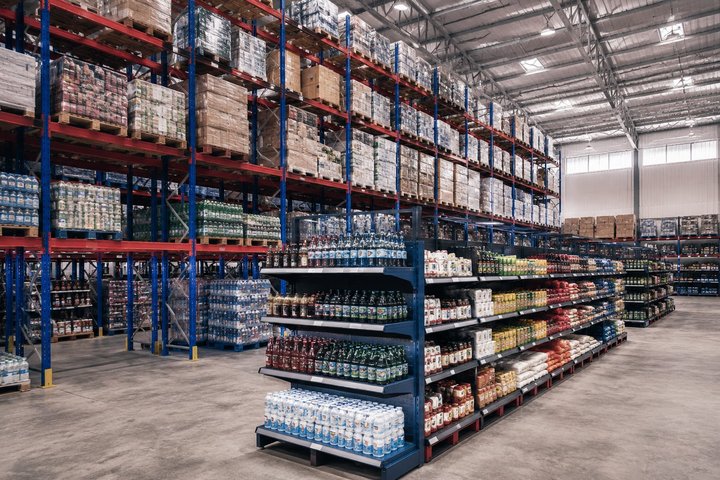
The best supermarket shelf type is determined first by where it sits in the store and how shoppers reach the products. Wall shelving uses one selling face, gondola shelving creates two selling faces, and an end unit turns an aisle into a promotional or category statement. The same store may need all three.
CZD's current range includes 4-post retail shelves, Asian-style gondolas, metal shelves with end units, wood-texture shelves, wooden shelves, and display racks. The useful comparison is not ‘which looks best’, but which system gives the right access, capacity, finish, and future compatibility in each zone.
Choose The Type By Store Position
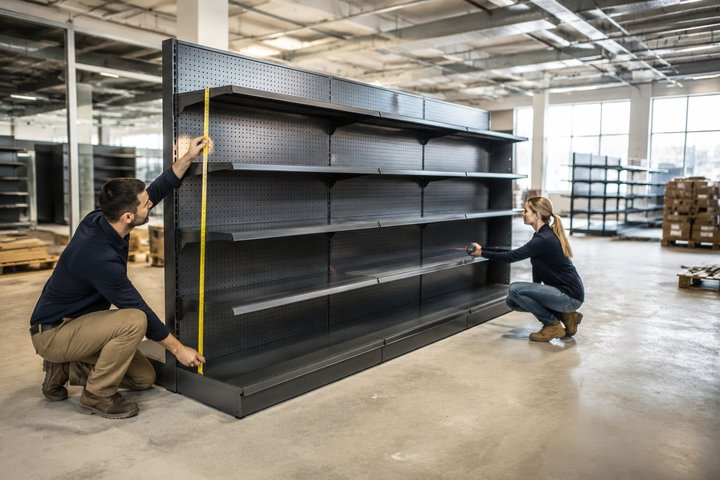
Use single-sided shelves against a wall or column where the back edge cannot be shopped. Use double-sided gondolas in an island row where both sides contribute facings. Use an end unit at the end of an aisle for promotions, high-margin products, seasonal displays, or category navigation.
| Store position | Best starting type | Check before approval |
| Wall run | Single-sided shelf | Wall clearance, base depth, closure and access |
| Island row | Double-sided gondola | Aisle width, stability, shared upright and end treatment |
| Aisle end | End unit / display rack | Promotion load, sightline, signage and trolley flow |
| Premium zone | Steel-wood or LED-finish shelf | Cleaning, replacement finish and electrical detail |
Compare Real CZD Product Families
The 4-post retail reference lists 365 mm single-sided width and 700 mm double-sided width, five levels, and 70 kg capacity. The Asian-style gondola reference lists 900/1000/1200 mm lengths, 300–500 mm widths, and 1400–2400 mm heights. These ranges make a useful first comparison, while the product drawing must confirm the finished usable space and load for the chosen configuration.
| Family | Useful published reference | Likely store use |
| 4-post retail shelf | Q235B steel; 70 kg; 5 levels; flat or perforated back | Everyday wall and island grocery display |
| Asian-style gondola | Single/double combination; optional color; corrosion protection | Convenience, imported food, mother-and-baby zones |
| Wood-texture / wooden shelf | Steel structure with wood appearance; optional finish | Premium grocery and visual category zones |
| End or display rack | Accessory and promotional configurations | Aisle ends and campaign displays |
Match The Type To Product Handling
Use deeper and stronger base levels for cases, beverages, or bulk packs. Use adjustable upper shelves for mixed dry grocery. Hooks, dividers, fences, price rails, and end signage matter more in a shopper-facing zone than a catalog title suggests. Tell the supplier what is hand-loaded, what is replenished by case, and what needs a promotional fixture.
Do Not Forget The End And The Interface
A gondola row is not complete until the end treatment, back panel, base, price rail, and accessory interfaces are defined. Keep upright pitch, brackets, panels, and fittings compatible across standard and customized zones so a damaged shelf or new store extension does not require a new system.
CZD can combine standard shelf families with customized color, capacity, thickness, fittings, and 3D layout work. The useful output is a zone-by-zone equipment schedule, not a mixed list of attractive product photos.
Use A Zone Schedule To Request The Quote
List wall bays, island bays, end units, product category, levels, depths, load, finish, accessories, and quantity by zone. Add the destination and installation date. This gives CZD enough information to recommend a shelf type, show the related product reference, and prepare a comparable BOM and quotation direction.
Next Step For Your Project
A store normally needs a deliberate mix of wall, gondola, and end shelving. Share the layout and category plan with CZD Shelves to match each zone with a practical product family and a consistent, reorderable component system.